
California Superbloom & Wildflower Guide
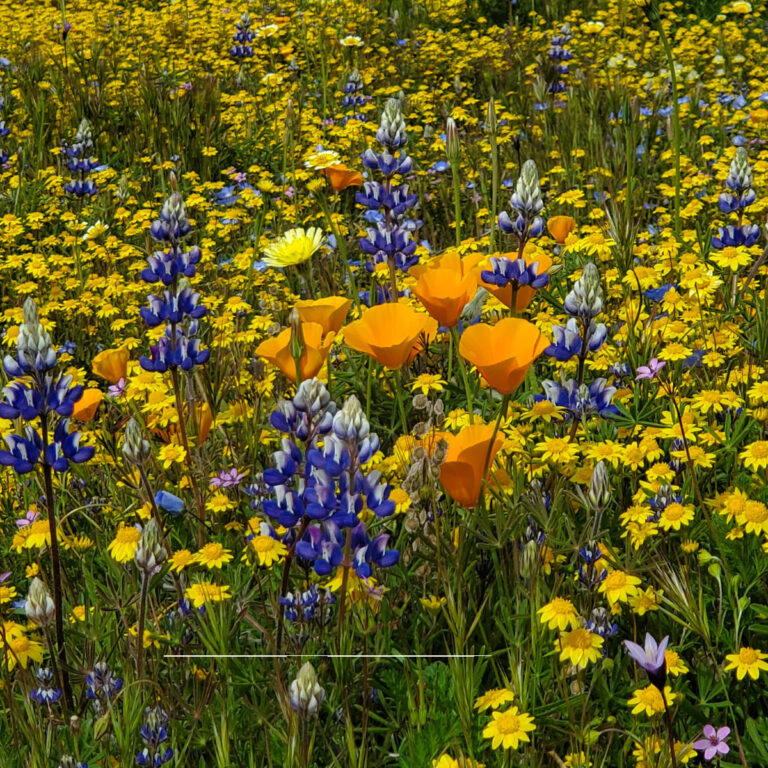
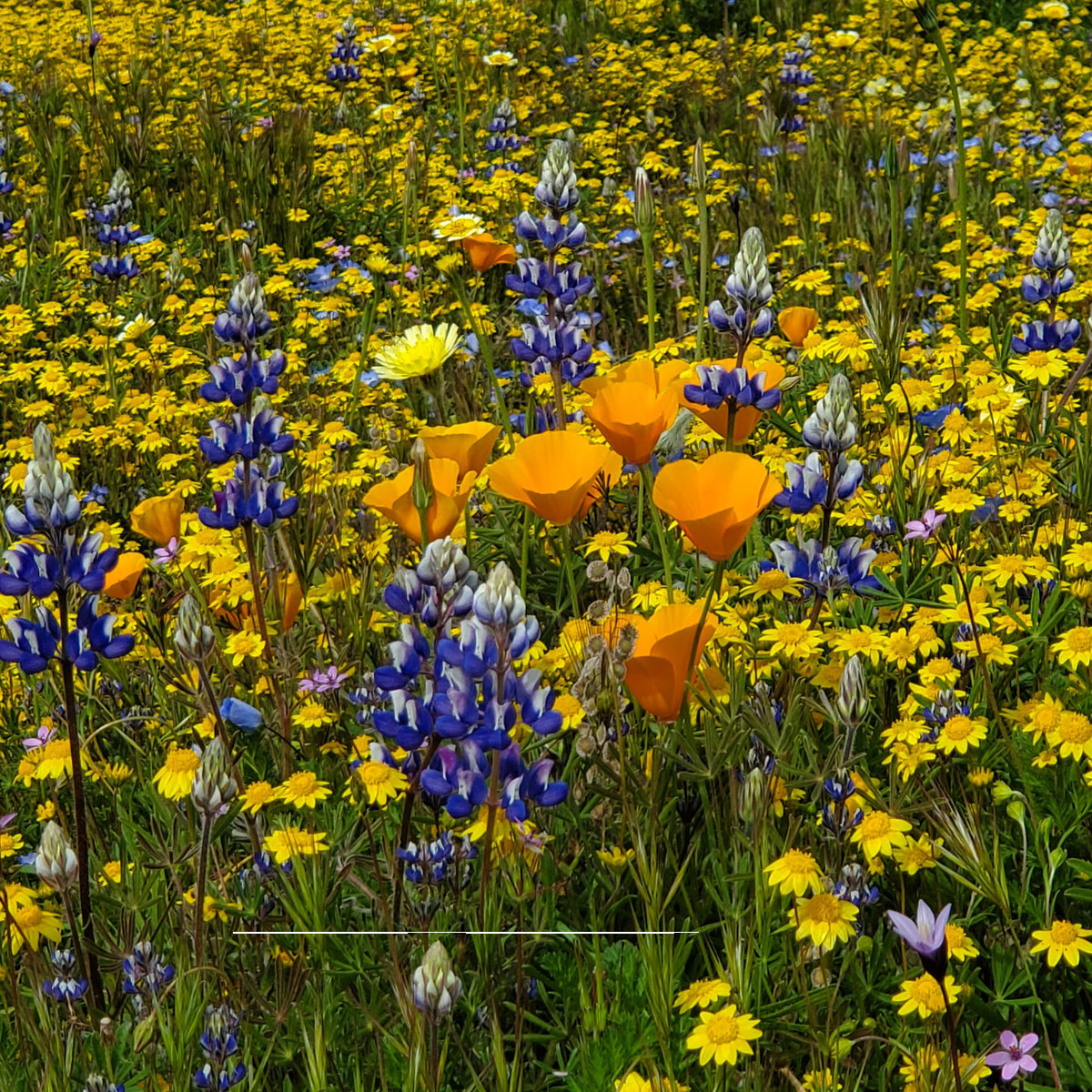
California’s wildflower season is one of the state’s most magical natural events, swaths of hillsides and valleys erupt in color as poppies, lupines, and other native plants burst into bloom each spring. Every few years, under the right conditions, this spectacle intensifies into a superbloom, a rare and remarkable flowering event that draws visitors from around the world.
Table of Contents
What is a superbloom?
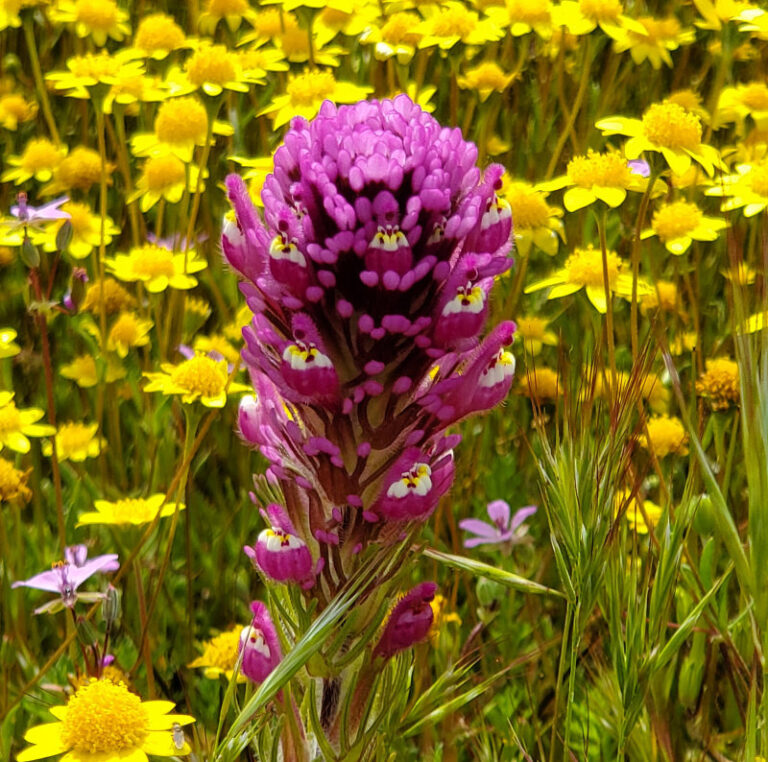
A superbloom is a botanical phenomenon where an unusually large number of wildflowers bloom across a landscape at once, far more than in a typical year. This happens when dormant seeds in the soil all germinate together, creating vibrant, nearly continuous carpets of color.
Unlike a regular wildflower season, superblooms are rare and highly dependent on specific environmental triggers. Because of this rarity and dramatic visual impact, they attract photographers, outdoor lovers, and travelers every time conditions align.
What causes a superbloom
Superblooms occur when several key conditions align. They are the result of a delicate mix of factors, especially the amount and timing of rainfall, combined with temperature patterns.
After multiple dry years, large numbers of annual wildflower seeds accumulate in the soil. When a wet winter follows these dry years, many of those dormant seeds can germinate at once, creating the conditions for a superbloom.
Rainfall timing matters as much as total rainfall: multiple storms spread across the winter are far more effective than a single heavy rain. East of Paso Robles, winters that receive more than 7-9 inches of rain by early February tend to offer the best potential.
After germination, wildflowers need mild spring temperatures and continued moisture to grow, bloom, and fully show off before summer heat arrives.
Best places to see wildflowers in California?
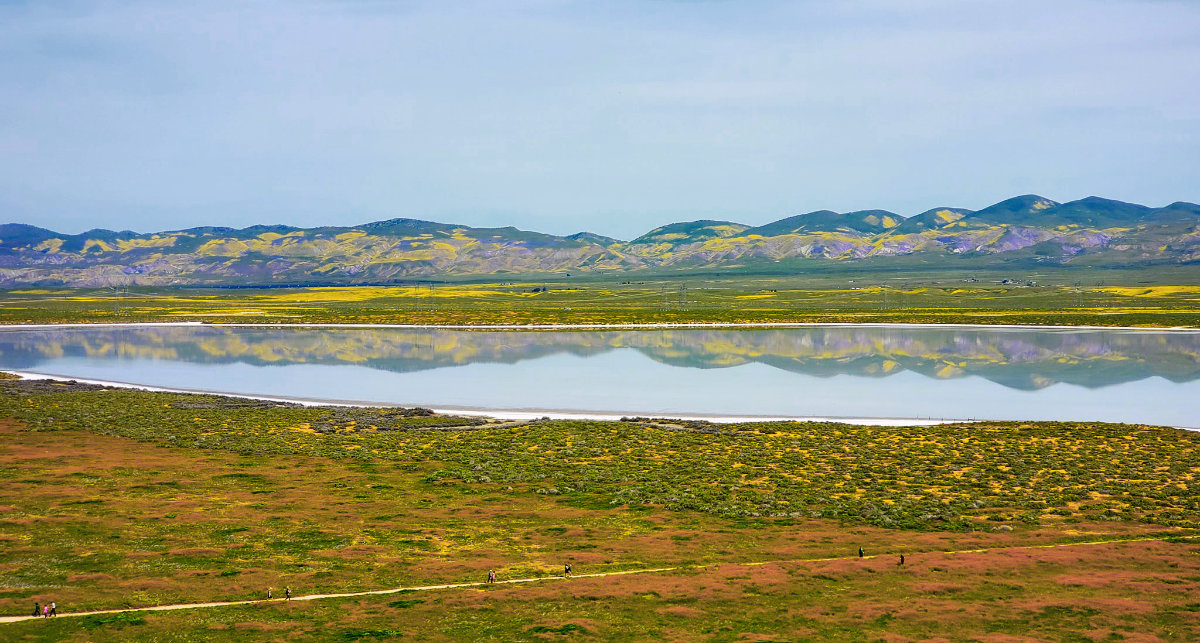
Much of California’s grassland changed after Spanish settlement, when non-native Mediterranean grasses were introduced alongside livestock and spread rapidly, especially in cooler, wetter regions where grasses thrive.
Over time, these fast-growing annual grasses outcompeted many native plants and reshaped large parts of the landscape, particularly in Northern and coastal California, which still offer beautiful spring scenery but fewer large-scale wildflower displays.
In contrast, arid interior regions like Carrizo Plain near Paso Robles retain conditions that favor native annual wildflowers: low rainfall, fewer disturbances, and vast open landscapes where dormant seeds can wait for the right winter rains. When those rains arrive, these areas can still erupt into dramatic, colorful blooms, offering a rare glimpse of what California’s spring landscapes once looked like.
Some of the best places to see the superbloom in California are state parks or monuments in the southern part of the state, such as Carrizo Plain National Monument, the Antelope Valley California Poppy Reserve, Anza-Borrego Desert State Park, and Ocotillo Wells SVRA.
How to take photos of California wildflowers
With a few simple techniques, you can capture images that feel polished and professional, from sweeping landscapes to close-ups of individual blooms and candid moments with friends.
Turn on the grid in your camera settings and place flowers, people, or the horizon along the grid lines to create balance and visual interest. Use natural lines like trails, fences, or ridgelines to gently lead the viewer’s eye through the image, and try lowering your camera to include flowers in the foreground with the landscape behind them for added depth.
Light matters: early morning and late afternoon offer softer, warmer light that brings out rich color and texture, while harsh midday sun can wash out detail, if you’re shooting then, tap the screen to adjust exposure or find a bit of shade.
When including people, encourage natural interaction with the setting, walking a trail, admiring the flowers, or sharing a picnic, rather than posing directly for the camera. Mix wide shots with close-ups of petals and textures.
Wildflower Etiquette & Leave No Trace
Enjoying wildflowers responsibly helps ensure these landscapes remain vibrant for future visitors, and helps preserve native ecosystems:
- Stay on designated trails: trampling vegetation disrupts plant communities and soil.
- Do not pick flowers or remove plants: this is usually prohibited in parks and reduces future blooms.
- Pack out what you bring in: trash and food waste can attract animals and damage habitats.
Following these principles keeps wildflower areas healthy, beautiful, and accessible.
The Perfect Wildflower Trip
If you’re going to chase wildflowers, Paso Robles is where it all comes together. Spring in Paso Robles delivers one of California’s most photogenic wildflower experiences, where wide-open landscapes, wine country, and golden light create the ultimate Instagram setting.
Picture gathering a few friends and staying at The Clark House overlooking the vineyard. Get picked up by your private superbloom transportation and start the day with breakfast and coffee at Kitchenette, then ease into a late-morning tasting at Still Waters Vineyards before heading out along Paso’s quiet backroads. Shell Creek comes alive in peak bloom years, offering sweeping hillsides that feel made for relaxed picnics and camera-ready moments.
As the afternoon unfolds, continue on to Carrizo Plain National Monument, where vast fields of wildflowers stretch to the horizon and golden hour transforms the scenery into something unforgettable.
After sunset, return to town for dinner at S’Aranella, then experience a different kind of bloom at Sensorio Paso Robles (use promocode ‘TOAST’), home to the iconic Field of Light, often described as a superbloom with LED’s, where thousands of glowing stems illuminate the night.
End the evening back at your vacation rental, playing games, sharing stories, and opening some of the bottles you collected throughout the day.
Whether you arrive by car, train to Paso Robles (PRB), or a quick flight into San Luis Obispo Airport (SBP), Paso Robles offers a wildflower escape that’s not just beautiful, it’s effortlessly shareable, deeply relaxing, and impossible to replicate anywhere else.
Frequently Asked Questions
While the odds in 2026 are good, a superbloom depends entirely on weather conditions, especially more than average early winter rainfall followed by mild spring temperatures with enough moisture following a couple of dry winters. Even in wet years, superblooms are highly localized, meaning some regions may experience dramatic blooms while others see only a modest wildflower season.
The wild flower hotline offers weekly online and recorded updates, posted each Friday from March through May, on the best locations for viewing spring wildflowers in Southern and Central California.
When conditions are right, Carrizo Plain National Monument near Paso Robles is one of California’s most striking wildflower destinations. Its vast, open landscapes can erupt into color during peak bloom years, creating sweeping views unlike anywhere else in the state. While Carrizo Plain is remote, with limited services and long drive times, its proximity to Paso Robles makes it uniquely appealing, allowing visitors to pair a day of wildflower viewing with wine tasting, dining, and comfortable accommodations nearby. Other well-known California superbloom destinations include Antelope Valley California Poppy Reserve, Anza-Borrego Desert State Park, and Ocotillo Wells SVRA, all of which can deliver impressive blooms but are often focused solely on the wildflower experience.
In the Paso Robles region and surrounding areas, wildflowers typically appear from late March through early May, with peak timing varying by elevation and rainfall. Areas like Shell Creek Road and Carrizo Plain National Monument can change quickly, sometimes peaking for just a few weeks, which makes timing especially important.
The best way to experience a California superbloom is to make it a shared, stress-free day. Gather a few friends, pack a picnic, and plan to enjoy the journey as much as the destination.
Book professional transportation, so you can be all together, relax, socialize, while someone else handles the driving, timing, and logistics. It turns a rare natural event into a laid-back, memorable experience, good conversation, great scenery, and wildflowers at their peak, without worrying about navigation, long drives, or rushing back before sunset.
Ready to make your spring wildflower and wine experience effortless? Toast Tours crafts personalized journeys through Paso Robles and beyond, combining expert local knowledge with relaxed adventure.
Read More